Soil decides everything.
What you plant. What you apply. What you can produce. We start by measuring what is beneath our feet.
AgriTech Insights brings soil intelligence to the field, and into the digital systems that help agriculture make better decisions.
4.0383° S · 21.7587° E · 26 provinces
What you plant. What you apply. What you can produce. We start by measuring what is beneath our feet.
The DRC has the land. It doesn’t have the soil data. We are building that missing layer, from the plot to the national level.
Every analysis adds another point to the map.
Measure the soil. Understand the land. Act with data. Keep the knowledge.
Illustrative example
Cooperative · 240 ha · Maize
Relief: NOAA, Copernicus, ESA · Borders: © OpenStreetMap contributors, geoBoundaries
Kabare, South Kivu · real relief and land cover
Beneath the surface
What grows on top depends on what lies below.
Illustrative soil profile
0 cm
Crop & surface
Where the decisions show.
0–20 cm
Topsoil
Dark, rich in organic matter.
20–50 cm
Subsoil
Clay and nutrients accumulate.
50–100 cm
Weathered layer
Red with iron and aluminium oxides.
100 cm +
Parent material
The rock the soil comes from.
What we do
Sample
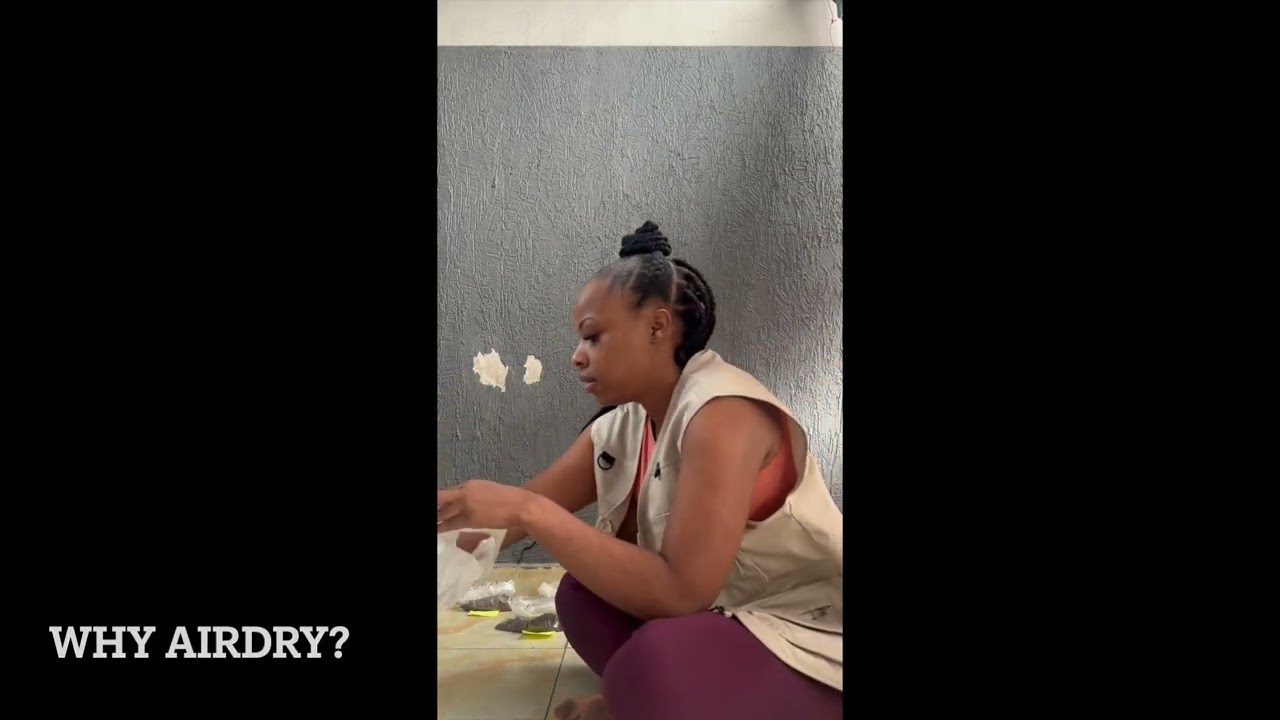
Our junior agronomists collect representative samples directly from the plot.
Analyze
Our portable laboratory reads up to 16 soil parameters per sample and analyses up to 18 samples at once.
Recommend
Our agricultural experts advise on crops, fertilizers, seeds and soil management.
Illustrative example
Dolomitic lime, compost, split nitrogen.
The result is not just a number. It is a decision.
Want to analyze your land? Explore our analysis packages →
Our laboratory
Our analyses run on a portable laboratory: instrument, reagents and accessories in one case, built for places where no fixed lab exists.
Each analysis covers the elements your crop needs.
Fertilizers
We check nutrient content and help tell genuine fertilizer from counterfeit.
Crops
We read nutrients and nitrates in fresh and dried plant tissue.
Water
We test water quality: nitrates, hardness, pH and metals.
Food
We screen fruit and vegetables for nitrates and heavy metals.
Figures: instrument manufacturer’s specifications and our own field practice.
Analysis packages
No two farms are alike. Whether you manage a single plot or an enterprise-scale operation, pick the depth of analysis your land needs.
$15/ sample
$25/ sample
$35/ sample
Prices in US dollars, per soil sample. The elements tested are matched to the crop you plan to grow.
The platform
The field is where we generate the data.
The platform is where that data becomes intelligence.
Investors access relevant agricultural and land intelligence: producers and crops per province, production costs and selling prices, supply and demand per crop. Government and research institutions use authorized data for planning, monitoring, research and learning.
AgriTech Insights · Platform
Illustrative preview
Illustrative preview
Hover a province
Our plan
Horizon1 month
Put reliable soil information on the ground.
Expand field operations, teams and analysis capacity across agricultural areas.
Give every analysis a permanent place.
Connect field results to digital client accounts, plot records and historical soil information.
Turn individual analyses into a national picture.
Build the geospatial layer that connects soil information across farms, crops and provinces.
Put intelligence in the hands of the people who need it.
Develop role-based access for farmers, investors, government, suppliers and educational institutions.
Why now
The DRC has the land, workforce and agricultural potential to become a major food-producing economy. But unlocking that potential requires better information about the land itself.
80M ha
10%
of potentially arable non-forest land, of which only about 10% is cultivated (World Bank estimate).
58%
of the country’s jobs are in agriculture (modeled ILO estimate, 2025).
Source: World Bank, WDI
2.8 kg
19.6 kg
×7
2.8 kg
of fertilizer per hectare of arable land, versus 19.6 kg in Sub-Saharan Africa (2023).
Source: World Bank, WDI (FAO data)
26.5M
people in acute food insecurity (IPC Phase 3 or above, January-June 2026).
Source: IPC, DRC analysis
$1.98B
of food and agricultural imports in 2023.
Governance & team
AgriTech Insights brings together expertise across agriculture, soil science, technology, data and investment.


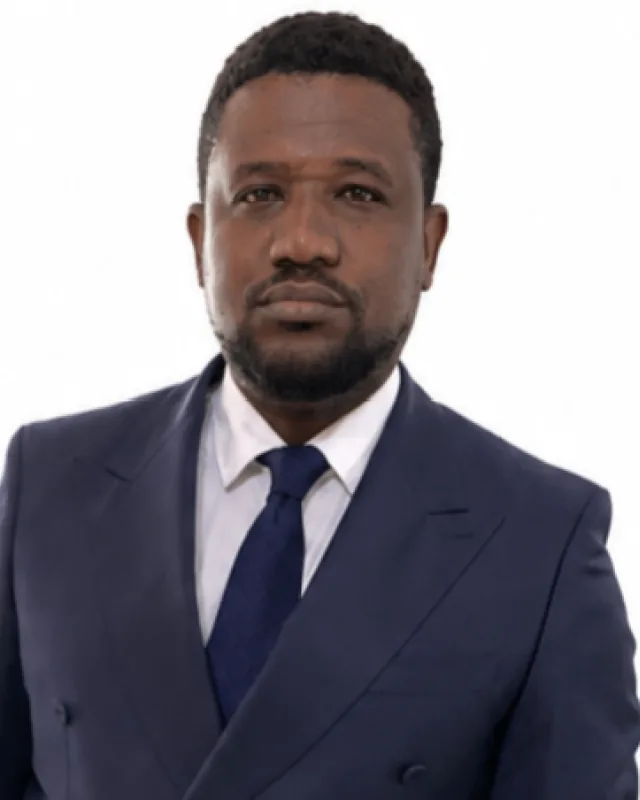



Our ecosystem
We work across the agricultural, scientific, institutional and private sectors to make soil information more useful and more accessible.
Government
Ministère de l’Agriculture et Sécurité Alimentaire
Leads national agricultural and food security policy, and collects and publishes the country’s agricultural statistics.
Industrial finance
Fonds de Promotion de l’Industrie
Public institution, created in 1989, that finances industrial projects and businesses in the DR Congo.
Official website: Industry Promotion Fund, fpi-rdc.cd (opens in a new tab)
Research
Institut National pour l’Étude et la Recherche Agronomiques
Public agricultural research institute, founded in 1933, with five research centers across the country.
In the field. In the news. In progress.
LinkedIn23 Oct 2026
LinkedIn14 Sept 2026
LinkedIn11 Sept 2026
YouTube1 Aug 2025
YouTube17 Jun 2025
YouTube3 Jun 2025
Contact
Whether you want to analyze land, deploy soil intelligence, explore a partnership, access agricultural data or learn more about the platform, we’d like to hear from you.